
The Complete Wedding Vendor Checklist: Who You Actually Need to Hire

From must-have wedding professionals to optional extras, here's how to build your wedding vendor team without overspending or hiring people you don't actually need.
Planning a wedding comes with a seemingly endless list of decisions.
And somewhere between booking your venue, researching photographers, and figuring out whether you need a day-of coordinator, you might find yourself asking:
How many wedding vendors do we actually need to hire?
If you've spent any time scrolling through wedding planning websites or social media, you've probably encountered wedding vendor checklists featuring 15, 20, or even 25 different professionals.
Photographers. Videographers. Florists. DJs. Caterers. Bakers. Wedding planners. Content creators. Rental companies. Transportation services. Lighting designers.
The list goes on.
And while all of these vendors can contribute to an incredible wedding experience, here's something that often gets lost in the planning process:
You don't need to hire every type of wedding vendor to have an amazing wedding.
The vendors you actually need depend on your venue, guest count, priorities, budget, and the kind of celebration you're planning.
Let's break down which wedding vendors are essential, which are worth considering, and which you can skip without sacrificing the wedding experience you want.
First, There's No Universal Wedding Vendor Checklist
Before we dive into the list, it's important to understand that not every wedding requires the same team of professionals.
A 200-person wedding at a private estate has very different logistical needs than a 30-person wedding at an all-inclusive venue.
Some venues provide catering, tables, chairs, linens, staffing, and event coordination.
Others provide nothing more than the space.
Some couples want a traditional ceremony, cocktail hour, dinner, and dancing.
Others want a short ceremony followed by an intimate dinner with their closest friends and family.
That's why a wedding vendor checklist should be a planning tool, not a shopping list.
The goal isn't to hire as many vendors as possible. It's to hire the right vendors for your wedding.
The Essential Wedding Vendors: Who You Actually Need
These are the vendors or services that most traditional weddings will need in some form.
That doesn't necessarily mean you have to hire a separate company for each one. In many cases, these services may already be included in your venue package or handled by someone you know.
1. Wedding Venue
Priority: Essential for most weddings
Your venue is typically one of the first major decisions you'll make, and it can influence nearly every other part of your wedding.
It determines your guest capacity, event layout, available dates, rental needs, and sometimes even which vendors you're allowed to hire.
Common venue options include:
Hotels and resorts
Wedding estates and private properties
Restaurants and event spaces
Barns, vineyards, and gardens
Community centers and public parks
Family-owned properties and private homes
Before booking a venue, make sure you understand exactly what's included.
Does the venue provide tables and chairs? Is catering required to come from an approved vendor? Are setup and cleanup included? Is there an on-site coordinator?
A venue that initially appears more expensive may actually save you money if it includes services you'd otherwise need to book separately.
Plannerd Tip: Compare venues based on their total estimated cost, not just the rental fee.
2. Wedding Officiant
Priority: Essential for a legally recognized ceremony, unless an authorized alternative applies
If you're having a legal marriage ceremony, you'll generally need someone authorized to solemnize your marriage under the laws of the jurisdiction where you're getting married.
This could be a professional officiant, religious leader, judge, or authorized friend or family member.
Requirements vary by location, so be sure to research the marriage laws where your ceremony will take place.
Some couples choose a professional officiant because they want a personalized ceremony experience. Others prefer someone they already know.
Either way, this is one area where you need to make sure the legal details are handled correctly.
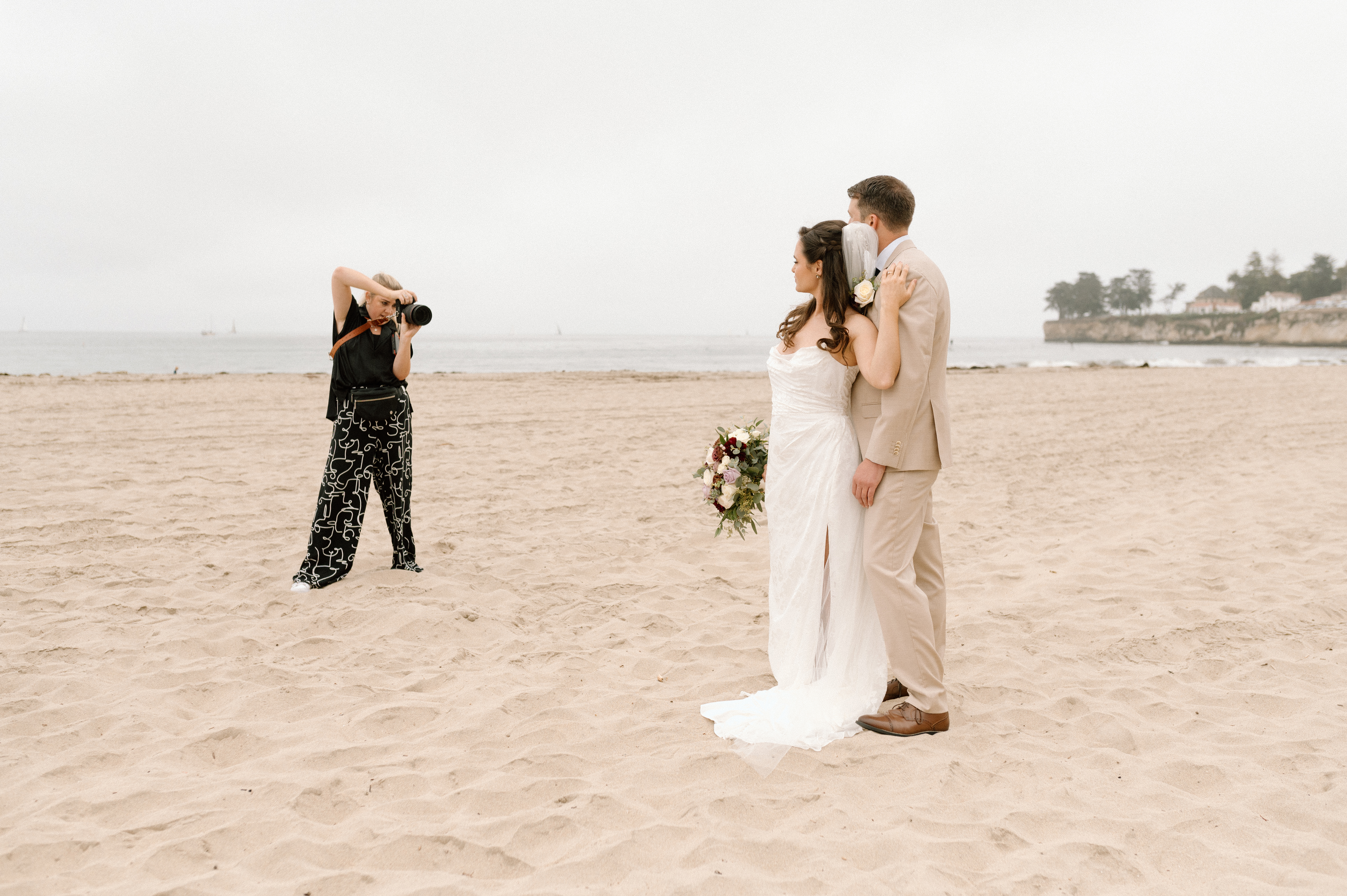
3. Wedding Photographer
Priority: Highly recommended
Your wedding photographs are one of the few things you'll have long after the celebration ends.
While hiring a professional photographer isn't legally required, it's a priority for many couples who want their wedding documented.
The amount of photography coverage you need will depend on your celebration.
You might want eight to ten hours of coverage for a full wedding day, or just a few hours for a smaller ceremony and reception.
Before booking, consider the moments that matter most to you and how much coverage is necessary to capture them.
Don't assume you need the largest photography package available.
Plannerd Tip: Ask photographers about coverage hours, second photographers, delivery timelines, image rights, and what's included in their packages.
4. Wedding Caterer or Food Service
Priority: Essential if you're hosting a reception with food
If you're inviting guests to celebrate with you, you'll probably need some kind of food service.
But that doesn't mean you need a traditional full-service wedding caterer.
Depending on your venue and wedding style, your options might include plated dinners, buffets, family-style meals, food trucks, restaurant catering, or drop-off catering.
Some venues require you to use their in-house catering team, while others allow outside vendors.
If you're planning a casual or intimate celebration, you may have considerably more flexibility.
The important thing is making sure you have enough food, appropriate staffing, and a realistic plan for preparation, service, and cleanup.
5. Wedding Music or Entertainment
Priority: Depends on your reception plans
If you're planning a reception with dancing, announcements, and a structured timeline, hiring a DJ or band can make a significant difference.
A professional DJ often does more than play music.
They may also serve as the master of ceremonies, make announcements, coordinate key reception moments, and help maintain the energy of the celebration.
But if you're hosting a small dinner reception without dancing or formal introductions, a professional entertainment vendor may not be necessary.
A thoughtfully prepared playlist and an appropriate sound system might be enough.
Just remember that someone will still need to manage the music, microphones, and transitions throughout the event.
The Wedding Vendors That Depend on Your Venue
This is where couples can either save a significant amount of money or accidentally overlook important expenses.
Before hiring any of the following vendors, review what your venue already provides.
6. Wedding Planner or Coordinator
Priority: Strongly recommended for complex weddings
Wedding planners and coordinators can be incredibly valuable, but their responsibilities aren't always the same.
A full-service wedding planner may help with budgeting, vendor selection, design, logistics, contracts, and the entire planning process.
A partial planner typically provides support for selected parts of the process.
A wedding coordinator, often called a month-of or day-of coordinator, focuses primarily on executing the plans you've already made.
And here's something important:
A venue coordinator is not necessarily the same as a wedding coordinator.
Venue coordinators generally focus on the venue's operations, policies, and responsibilities. They may not manage your personal timeline, outside vendors, ceremony procession, or other wedding-day details.
Before hiring someone, ask exactly what they will and won't handle.
If your wedding involves multiple vendors, a detailed timeline, extensive setup, or a large guest count, having a dedicated coordinator can be one of the most valuable investments you make.
7. Wedding Rental Company
Priority: Only if your venue doesn't provide what you need
Depending on your venue, you may need to rent items such as:
Tables and chairs
Linens and napkins
Dinnerware, glassware, and flatware
Tents and outdoor structures
Lounge furniture
Dance floors
Ceremony arches
Lighting and sound equipment
Some venues include most of these items in their packages.
Others require you to source nearly everything yourself.
Before comparing rental companies, create a complete inventory of what your venue provides and what's still missing.
Also ask about delivery fees, setup, breakdown, damage waivers, and pickup requirements.
A low rental price can become much more expensive once logistics are added.
8. Bartending and Beverage Service
Priority: Depends on your venue and beverage plans
If you're serving alcohol, you'll need to understand your venue's rules and any applicable licensing, insurance, and service requirements.
Some venues provide full bar service.
Others allow you to purchase your own alcohol but require licensed or insured bartenders.
And some venues don't permit alcohol at all.
Even if you're planning a dry wedding, you may still need someone to manage beverages, ice, glassware, and service.
This is another category where venue inclusions can make a big difference.
9. Setup and Cleanup Crew
Priority: Essential work, but not always a separate vendor
This is one of the most overlooked parts of wedding planning.
Someone needs to set up your ceremony chairs, arrange reception tables, place decorations, manage deliveries, remove trash, and pack everything away at the end of the night.
Sometimes your venue or caterer handles these responsibilities.
Sometimes your rental company handles specific items.
And sometimes you're responsible for all of it.
Don't assume your wedding coordinator or family members will automatically take care of everything.
Get clear answers about who is responsible for each task before your wedding day.

The Wedding Vendors You May Want, But Don't Necessarily Need
These vendors can add beauty, convenience, entertainment, or personalization to your celebration.
Whether they're worth hiring depends entirely on your priorities.
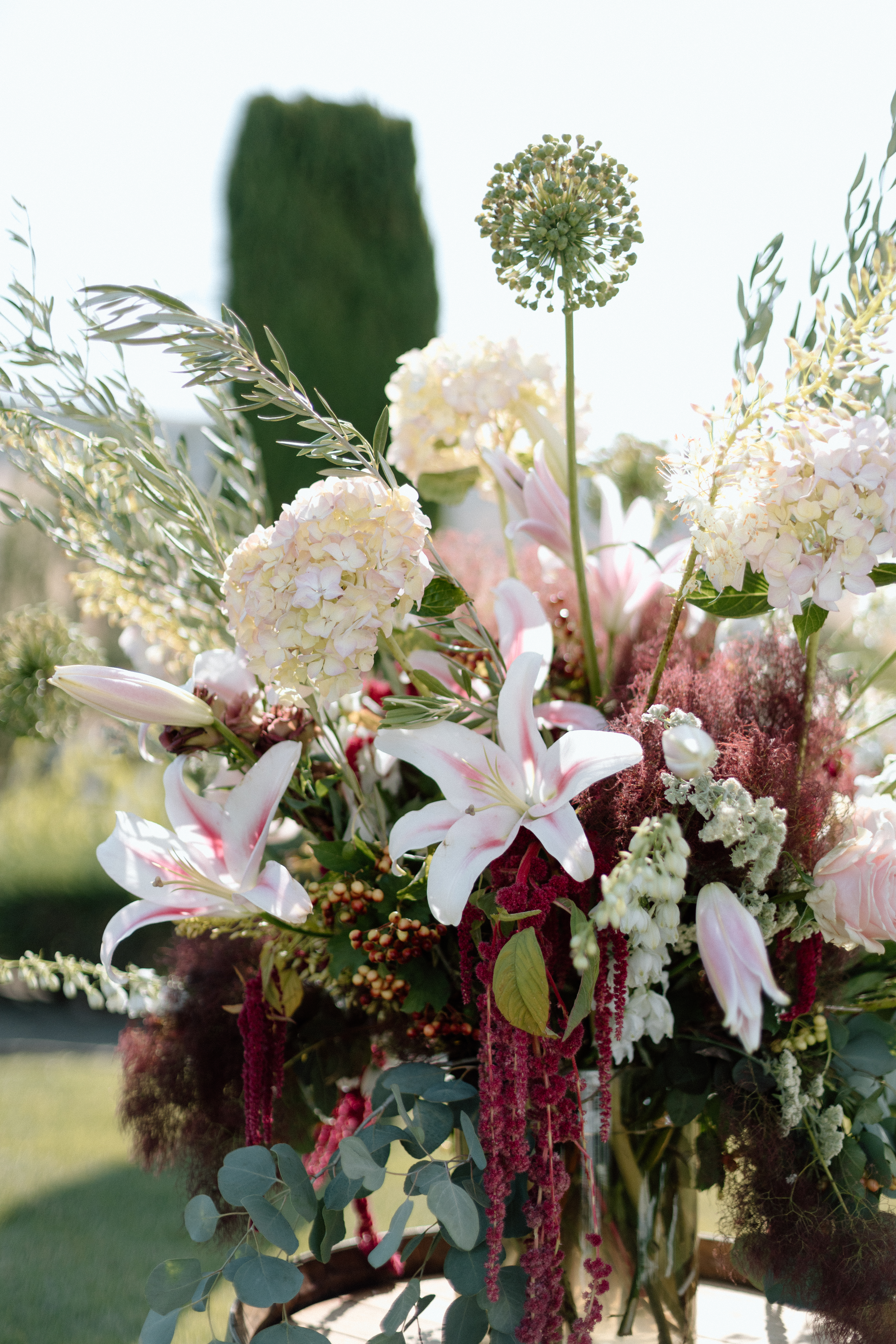
10. Wedding Florist
Priority: Optional
Flowers can transform a wedding space, but there's no rule that says you need elaborate floral arrangements.
A professional florist can create bouquets, boutonnieres, ceremony installations, centerpieces, and other decorative elements.
But depending on your style and budget, you might choose minimal florals, greenery, potted plants, or nonfloral decor instead.
If flowers are important to you, hiring a professional can be worthwhile.
If they're not, this may be an easy category to simplify.
11. Hair and Makeup Artists
Priority: Optional
Professional hair and makeup services can make getting ready easier and help you achieve a specific look.
However, they're not a requirement.
Some couples book professional services for the entire wedding party, while others hire artists only for themselves.
You can also do your own hair and makeup or ask someone you trust.
If you're hiring professionals, ask about trial appointments, travel fees, minimum booking requirements, and timing for multiple people.
12. Wedding Videographer
Priority: Optional
Photography and videography serve different purposes.
Photographs capture individual moments, while video preserves movement, sound, speeches, vows, and the atmosphere of the day.
For some couples, a wedding film is one of their biggest priorities.
Others are completely happy with professional photographs.
Neither choice is wrong.
If videography matters to you, explore packages that fit your budget and consider which parts of the day you'd most like to preserve.
13. Wedding Cake Baker or Dessert Vendor
Priority: Optional
A traditional wedding cake is no longer the only option.
Couples might choose cupcakes, cookies, donuts, ice cream, a dessert bar, or a favorite local bakery.
Some caterers include dessert in their packages, which can eliminate the need for a separate vendor.
If you love the idea of a beautiful wedding cake, hire a baker who specializes in the style you want.
If not, serve something you genuinely enjoy.
14. Wedding Stationery Designer
Priority: Optional
Wedding stationery can include save-the-dates, invitations, RSVP cards, programs, menus, seating charts, and signage.
But you don't necessarily need to hire a custom stationery designer.
Digital invitations, customizable templates, and online printing services can provide attractive alternatives.
Custom stationery may be worth the investment if paper goods and cohesive visual design are important to you.
Otherwise, this is a category where you can often save without significantly affecting the guest experience.
15. Wedding Transportation
Priority: Depends on logistics
Transportation becomes particularly important when your ceremony and reception are at different locations or when guests need to travel between hotels and the venue.
You may need shuttles, buses, private cars, or other transportation services.
But if everything takes place at one accessible location with sufficient parking, a transportation vendor may be unnecessary.
Consider guest safety, parking limitations, alcohol service, accessibility, and travel distances before deciding.
The Extra Wedding Vendors That Are Completely Optional
Now we're getting into the services that can make your wedding feel especially customized.
They're fun, and some can add meaningful value, but they're rarely essential.
16. Wedding Content Creator
Wedding content creators typically capture behind-the-scenes photos and short-form videos, often using smartphones, for quick delivery and social media sharing.
This service is different from professional photography and videography.
If you want candid, social-ready content from your wedding day, it might be worth considering.
If you're not especially concerned about posting wedding content immediately, you can probably skip it.
17. Photo Booth Company
Photo booths can provide entertainment and give guests a fun keepsake.
They're particularly popular at receptions with dancing or extended cocktail hours.
But they're not a necessity, especially if your budget is tight or your celebration is relatively small.
18. Wedding Decor or Lighting Designer
Some weddings benefit from professional design, draping, specialty lighting, and elaborate installations.
But many venues are already beautiful without extensive decoration.
Before hiring a designer, consider what your venue actually needs.
You might discover that candles, simple centerpieces, and thoughtful lighting are enough.
19. Live Ceremony Musicians
A string quartet, pianist, guitarist, or vocalist can create a beautiful ceremony atmosphere.
But recorded music is also a perfectly reasonable option.
If live music is meaningful to you, make it a priority.
Otherwise, this is an easy service to leave off your checklist.
20. Specialty Entertainment and Experiences
This category includes everything from live painters and caricature artists to late-night snack stations, performers, and interactive guest experiences.
These extras can be memorable, but they should come after your core wedding needs are covered.
Don't stretch your budget to include something simply because you saw it at another wedding.
Your Complete Wedding Vendor Checklist
Use this checklist as a starting point, then customize it based on your venue, budget, and priorities.
Core Wedding Services
Wedding venue
Authorized wedding officiant or applicable legal alternative
Wedding photographer
Catering or food service
Music and sound arrangements
Venue and Logistics
Wedding planner or coordinator
Rental company
Bartending or beverage service
Setup and cleanup services
Personal Style and Details
Wedding florist
Hair and makeup artists
Wedding videographer
Cake baker or dessert vendor
Stationery designer or invitation service
Transportation provider
Optional Extras
Wedding content creator
Photo booth company
Decor or lighting designer
Live ceremony musicians
Specialty entertainment
Remember: You don't need to check every box. A successful vendor checklist is one that reflects your actual wedding, not one where every category is filled.

How to Decide Which Wedding Vendors Are Worth Hiring
If you're struggling to decide whether a particular vendor belongs in your budget, ask yourself these five questions.
1. Is This Service Necessary for Our Wedding to Function?
Some services are essential because they make the event possible.
You need a place to host your guests, a legal plan for your marriage ceremony, and a way to provide food if you're serving a meal.
Other services are enhancements.
Understanding the difference helps you prioritize spending.
2. Does Our Venue Already Provide This?
Before signing another contract, double-check your venue package.
You may already be paying for services that would otherwise require separate vendors.
3. Is This Something We Genuinely Care About?
Would you still want this service if you hadn't seen it on Instagram or Pinterest?
If the answer is no, it might not deserve a place in your budget.
4. What Happens If We Don't Hire This Vendor?
This is one of the most useful questions you can ask.
If you skip a florist, you may simply have fewer flowers.
If you skip a coordinator at a complex wedding, someone still needs to manage the timeline, deliveries, and logistics.
Some services are optional because the task itself is optional.
Others are optional only because someone else can perform the work.
That's an important distinction.
5. Does This Fit Within Our Actual Budget?
Your wedding budget should guide your vendor decisions, not the other way around.
If hiring an additional vendor means taking on debt or sacrificing something more important, it may not be the right choice.
A wedding vendor isn't automatically worth the investment just because they're popular or highly recommended.
When Should You Book Your Wedding Vendors?
There's no single booking timeline that works for every wedding.
Your engagement length, wedding date, location, and vendor availability will all influence when you need to make decisions.
However, for a traditional wedding with a planning window of approximately 12 months, the following can be a useful starting point.
Time Before Wedding
Vendors to Prioritize
12+ months
Venue, wedding planner, photographer
9–12 months
Caterer, DJ or band, videographer
6–9 months
Florist, officiant, hair and makeup, rentals
3–6 months
Baker, transportation, stationery, remaining vendors
1–3 months
Final confirmations, logistics, timelines, and vendor details
These are planning guidelines, not deadlines.
Popular vendors may book much earlier, especially for peak-season Saturdays.
And if you're planning a wedding on a shorter timeline, it's still possible to assemble a great vendor team by focusing on availability and flexibility.
The most important thing is to book vendors in an order that makes sense for your wedding.
For example, you generally shouldn't book a caterer before confirming whether your venue allows outside catering.
Likewise, you shouldn't commit to a large rental order before understanding what your venue already includes.
Don't Forget to Compare More Than Just Vendor Prices
When you're evaluating wedding vendors, it's tempting to focus primarily on the price.
But the lowest quote isn't always the best value.
Two photographers might offer packages at similar prices but include different coverage hours, deliverables, or second photographers.
Two caterers might have dramatically different staffing requirements, service charges, and rental inclusions.
And two coordinators might use the same job title while offering completely different levels of support.
Before booking any wedding vendor, make sure you understand:
Exactly what's included in the quoted price
Additional fees, taxes, and gratuities
Payment schedules and deposit requirements
Cancellation and rescheduling policies
Setup, breakdown, and travel responsibilities
Backup plans for emergencies
Insurance or licensing requirements, when applicable
Who will actually provide the service on your wedding day
A clear contract and realistic understanding of the total cost are far more important than simply finding the cheapest option.
The Biggest Wedding Vendor Mistake? Hiring Before Prioritizing.
It's easy to get caught up in the excitement of wedding planning.
You see a beautiful floral installation and suddenly feel like you need a florist.
You attend a wedding with an amazing photo booth and add one to your list.
You discover wedding content creators on social media and wonder if you're missing out by not hiring one.
Before you know it, your wedding vendor checklist has grown into something that no longer reflects your original vision or budget.
That's why we recommend establishing your priorities before booking vendors.
Decide what kind of wedding you want.
Determine what you can comfortably spend.
Understand what's included in your venue.
Then build your vendor team around those decisions.
You don't need every wedding vendor. You need the right wedding vendors.
The Bottom Line: Hire for Your Wedding, Not Someone Else's
There is no magic number of vendors that guarantees a beautiful, memorable, or successful wedding.
Some couples will hire five professionals.
Others will hire fifteen or more.
Both can create an incredible celebration.
What matters is that every vendor you hire serves a clear purpose, fits your priorities, and works within your budget.
Don't confuse a longer vendor list with a better wedding.
And don't feel pressured to add services simply because they're considered standard in the wedding industry.
Your wedding should be built around your relationship, your priorities, and the experience you want to share with the people you love.
Not a checklist someone else created.
Keep Your Wedding Vendors Organized With Plannerd
Finding the right wedding vendors is only one part of the planning process.
You'll also need to manage quotes, contracts, deposits, payment deadlines, contact information, and all the little details that keep your wedding running smoothly.
At Plannerd, we believe wedding planning should be organized, intentional, and centered around what actually matters to you.
Start with your priorities, build a vendor team that fits your vision, and keep track of the details as your plans come together.
Because planning a wedding isn't about hiring everyone.
It's about bringing together the right people to make your wedding happen.