
How To Start Wedding Planning: What To Do & When

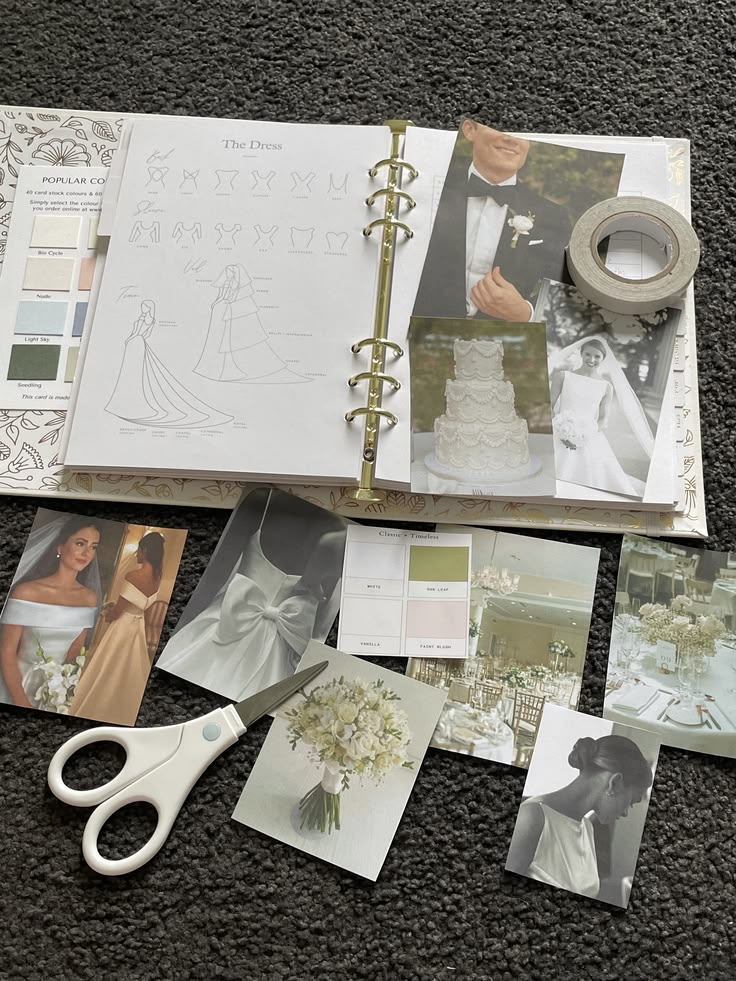
You said “yes,” celebrated with your favorite people, and probably saved more wedding inspiration than you know what to do with.
Now comes the big question:
Where do you actually start planning a wedding?
Wedding planning can feel overwhelming because there are so many decisions to make. Venues, photographers, flowers, invitations, dresses, DJs, catering, timelines—the list keeps growing.
But here's the secret: you don't have to do everything at once.
Breaking wedding planning into stages makes the entire process much easier. Whether your wedding is 18 months away or you're working with a shorter timeline, use this wedding planning checklist as your roadmap from newly engaged to newly married.
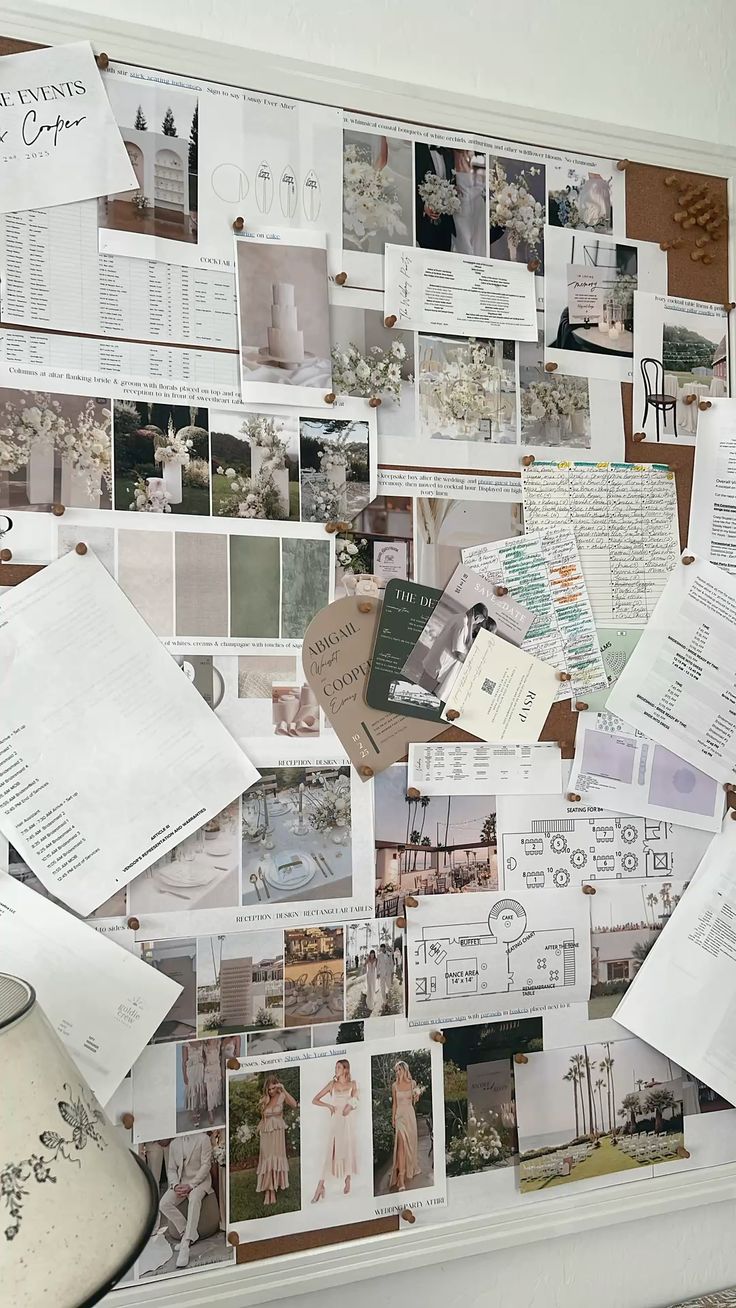
12–18 Months Before: Build the Foundation
This stage is all about the big-picture decisions. Before worrying about napkin colors or signature cocktails, figure out the things that will shape the rest of your wedding.
Set Your Wedding Budget
Before booking anything, determine how much you're comfortable spending.
If family members are contributing, now is the time to have those conversations too.
Once you know your total budget, start thinking about your priorities. Maybe photography is incredibly important to you. Maybe it's the venue, food, flowers, or entertainment.
Knowing your priorities helps you decide where to spend—and where you can save.
Create a Preliminary Guest List
You don't need everyone's mailing address yet. You just need an approximate number.
Guest count will affect your venue options, catering costs, rentals, invitations, and overall budget.
Choose Your Wedding Style
Start thinking about what you want your wedding to feel like.
Romantic and timeless? Modern and minimal? Colorful garden party? Black-tie celebration? Relaxed destination weekend?
Create an inspiration board, but don't worry about making every detail match yet.
Choose a Date or Season
Pick your ideal wedding date or narrow it down to a few possibilities.
Being flexible can be helpful, especially if there's a particular venue or vendor you really want.
Start Touring Venues
Your venue is one of the biggest decisions you'll make, so start researching early.
When comparing venues, look beyond the rental price. Ask what's included, what you'll need to bring in, which vendors you're allowed to use, and whether there are additional fees.
Hire a Wedding Planner
If you're working with a wedding planner, bringing them in early can make the rest of your planning process much smoother.
They can help with your budget, vendor recommendations, venue selection, design, logistics, contracts, and overall planning strategy.
9–12 Months Before: Build Your Vendor Team
Now that the foundation is in place, it's time to start assembling the people who will bring your wedding to life.
Book Your Priority Vendors
Popular wedding professionals can book months—or even more than a year—in advance.
Depending on your priorities, start reaching out to your:
Photographer
Videographer
Caterer
Florist
DJ or band
Hair and makeup artist
Officiant
Wedding content creator
Before signing a contract, make sure you understand the deposit, payment schedule, cancellation policy, deliverables, hours of coverage, and any additional fees.
Start Wedding Dress Shopping
Wedding dresses can take months to arrive, and you'll likely need alterations afterward.
Starting early gives you more options and keeps the process fun instead of stressful.
Choose Your Wedding Party
If you're having bridesmaids, groomsmen, or other wedding-party roles, now is a great time to ask them.
Research Guest Accommodations
If many guests are traveling, look into nearby hotels and potential room blocks.
For destination weddings or wedding weekends, you may want to start this even earlier.
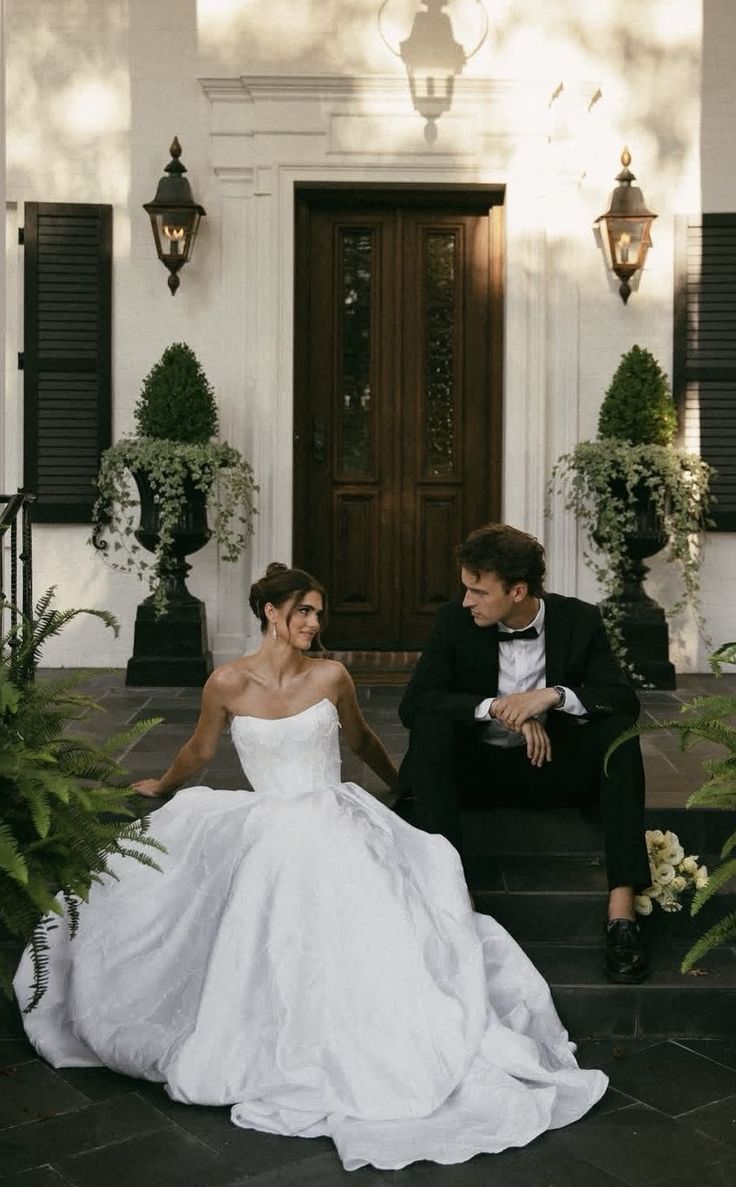
6–9 Months Before: Start Bringing the Details Together
You've handled many of the major decisions. Now you can start focusing on how everything will look and feel.
Finalize Your Wedding Design
Work on your overall color palette, florals, linens, rentals, signage, lighting, and décor.
Instead of choosing every element individually, think about how everything works together.
Take Engagement Photos
Engagement photos are a great opportunity to get comfortable in front of the camera before your wedding.
You can also use the photos on your wedding website, save-the-dates, invitations, or around your home.
Send Save-the-Dates
Give guests plenty of time to plan, especially if they'll need to travel.
Destination weddings may require even more notice.
Order Wedding Party Attire
Start choosing suits, tuxedos, bridesmaid dresses, or other wedding-party attire so everyone has enough time for ordering and alterations.
Start Planning Your Honeymoon
If you're taking a honeymoon immediately after the wedding, start researching flights, hotels, passports, and activities.
4–6 Months Before: Make It Personal
This is when your wedding really starts feeling like your wedding.
Choose Your Invitations
Finalize your invitation design and gather guest addresses.
Double-check names, dates, locations, and RSVP information before ordering.
Plan Your Ceremony
Talk with your officiant about the ceremony structure.
Decide whether you'll write your own vows, include readings, incorporate cultural traditions, or involve family members.
Choose Your Menu and Cake
Schedule tastings with your caterer and bakery.
Finalize your dinner menu, appetizers, desserts, drinks, and any late-night food.
And yes—cake tasting absolutely counts as wedding planning.
Plan Your Music
Start thinking about songs for important moments like:
Ceremony entrance
First dance
Parent dances
Wedding party entrance
Reception entrance
Last dance
You don't need to create the DJ's entire playlist. Give them your must-plays, do-not-plays, and the overall vibe you're going for.
2–4 Months Before: Get Organized
The wedding is getting closer, which means logistics start becoming just as important as aesthetics.
Send Your Invitations
Send invitations according to your RSVP deadline and the amount of travel required for guests.
Make sure there's enough time between the RSVP deadline and your venue or caterer's final guest-count deadline.
Schedule Hair and Makeup Trials
Bring inspiration photos and be honest about what you like and don't like.
Take photos of the final look so you can see how everything translates on camera.
Purchase Your Accessories
Think about shoes, jewelry, veil, ties, cufflinks, undergarments, hair accessories, and anything else you'll wear.
Start Creating Your Wedding Day Timeline
Your planner, photographer, videographer, venue, and entertainment team will all play a role in building the final timeline.
Start with major moments and work backward from there.
1–2 Months Before: Finalize the Details
You're officially in the home stretch.
Track Your RSVPs
Follow up with anyone who hasn't responded and begin finalizing your guest count.
Create Your Seating Chart
Once RSVPs are mostly complete, start assigning tables.
Don't stress about creating the world's most perfect seating arrangement. Aim for groups of people who will be comfortable and enjoy spending time together.
Confirm Details With Vendors
Make sure everyone has the correct:
Wedding date
Venue address
Arrival time
Timeline
Contact information
Setup instructions
Final payment details
Finalize Your Wedding Day Timeline
Your timeline should include everything from hair and makeup to the final song of the night.
Share the final version with everyone who needs it.
Apply for Your Marriage License
Marriage-license requirements vary depending on where you're getting married, so research the rules for your location ahead of time.
The Final Week: Stop Planning and Start Preparing
You've made hundreds of decisions to get here.
Now it's time to hand things off.
Confirm Your Final Guest Count
Provide your final numbers to your venue and caterer by their required deadline.
Pack Everything You Need
Organize your wedding attire, accessories, vows, rings, décor, signage, marriage-license documents, and personal items.
Prepare Vendor Tips and Final Payments
Put anything that needs to be distributed on the wedding day into clearly labeled envelopes and assign someone you trust to handle them.
Pack an Emergency Kit
Include items like fashion tape, stain remover, tissues, pain reliever, safety pins, snacks, water, deodorant, and anything else you might need.
Hand Off the Timeline
Your wedding day should not involve you answering questions about where the florist should unload or when the DJ gets access to the reception space.
Let your planner, coordinator, or trusted point person handle the logistics.
Your Wedding Day: Be Present
This might be the most important item on the entire wedding planning checklist.
Stop planning.
Something tiny may happen differently than expected. A flower might be slightly different. Dinner could run ten minutes late. Someone might forget where they're supposed to stand.
It's okay.
You've spent months planning this day. Now you get to experience it.
Eat the food. Dance with your friends. Hug your family. Take a second during the reception to look around the room together.
The day goes incredibly fast.
Enjoy it.
Keep Your Wedding Planning in One Place
The easiest way to make wedding planning feel overwhelming is to have your guest list in one spreadsheet, vendor information buried in your inbox, inspiration on Pinterest, appointments in your calendar, and random wedding notes scattered across your phone.
Instead, keep everything organized from the beginning.
Plannerd helps couples keep their wedding planning details together in one place, making it easier to stay organized from the first venue search to the final wedding-day timeline.
Because planning your wedding should feel exciting—not like managing 47 different tabs.
Save this checklist, take your planning one stage at a time, and remember: you don't need to plan the whole wedding today. You just need to know what comes next.