
Wedding Decisions To Make Before Planning Starts

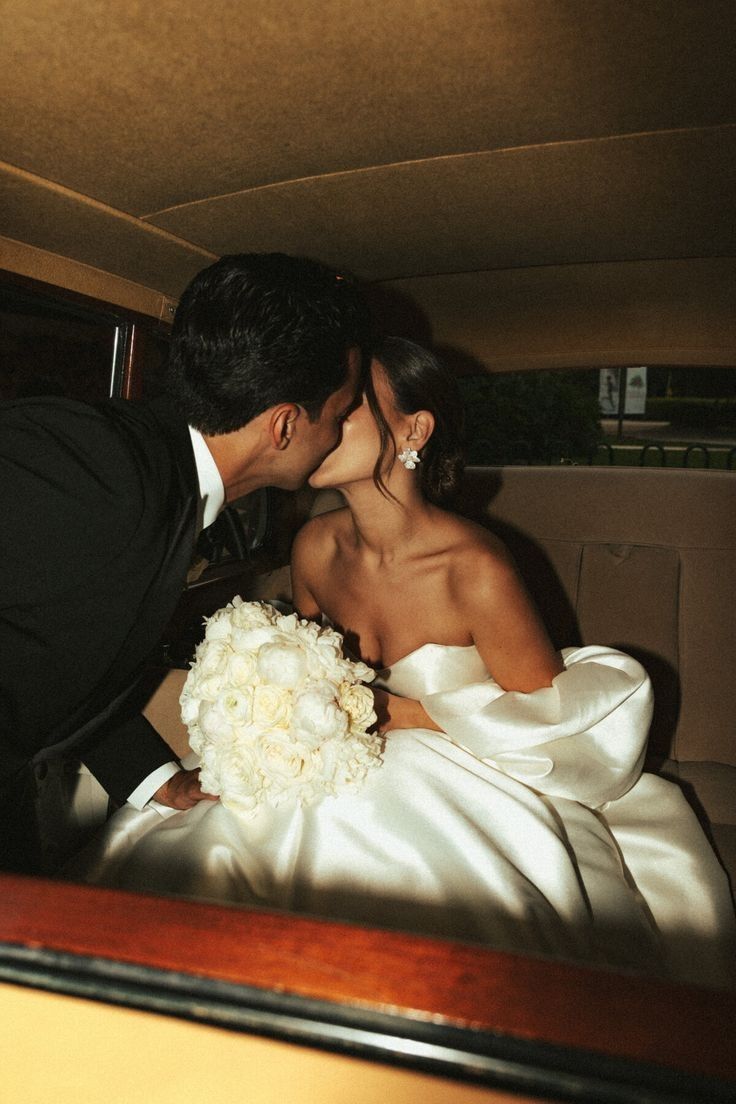
Most couples think wedding planning begins with touring venues or creating a Pinterest board.
It doesn’t.
The smoothest, most enjoyable weddings start with a few key decisions made before any vendors are contacted. Skipping this step is what makes planning feel overwhelming, chaotic, and expensive.
If you want a clear, confident start, decide these first.
1. Your Total Budget (And Where It’s Coming From)
Before you look at venues, dresses, or photographers, determine:
Who is contributing financially?
What is the total comfortable spend?
Have you added a 5–10% buffer for unexpected costs?
What categories matter most to you?
Your budget shapes every other decision, guest count, location, vendor quality, design complexity, and overall experience.
Without a defined number, it’s easy to fall in love with options that were never realistic.
2. Your Estimated Guest Count
This doesn’t need to be a finalized spreadsheet. You just need a realistic range.
50–75 guests → intimate
100–150 guests → traditional
200+ guests → large celebration
Guest count affects:
Venue availability
Catering costs
Rental quantities
Staffing
Overall atmosphere
You can’t book a venue without knowing approximately how many people you’re hosting.
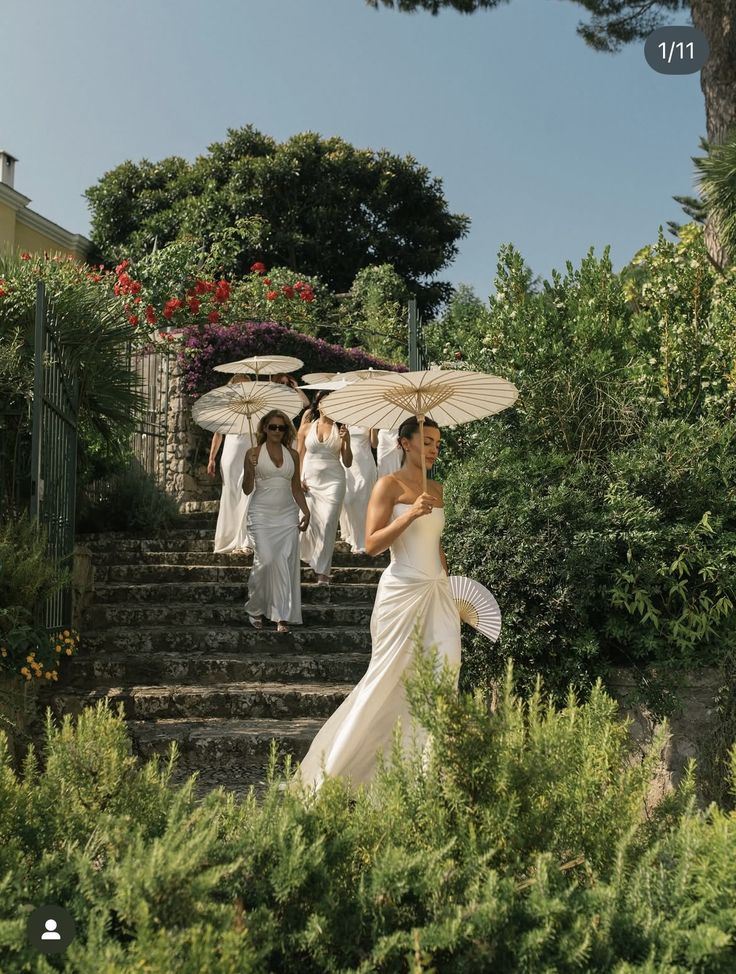
3. Your Overall Wedding Vibe
Before selecting decor or attire, define how you want your wedding to feel.
Ask yourselves:
Elegant and formal?
Modern and minimal?
Romantic garden?
Party-first energy?
Cultural or traditional?
Your vibe guides:
Venue type
Dress code
Design choices
Music
Timeline structure
When couples skip this conversation, the wedding ends up feeling visually inconsistent.
4. Your Top Three Priorities
Every couple values something different.
What matters most to you?
Incredible food?
Stunning photography?
A packed dance floor?
Immersive guest experience?
A deeply meaningful ceremony?
You don’t need to prioritize everything. In fact, you shouldn’t.
Choose your top three and allocate your budget accordingly. That’s how you create impact without overspending.
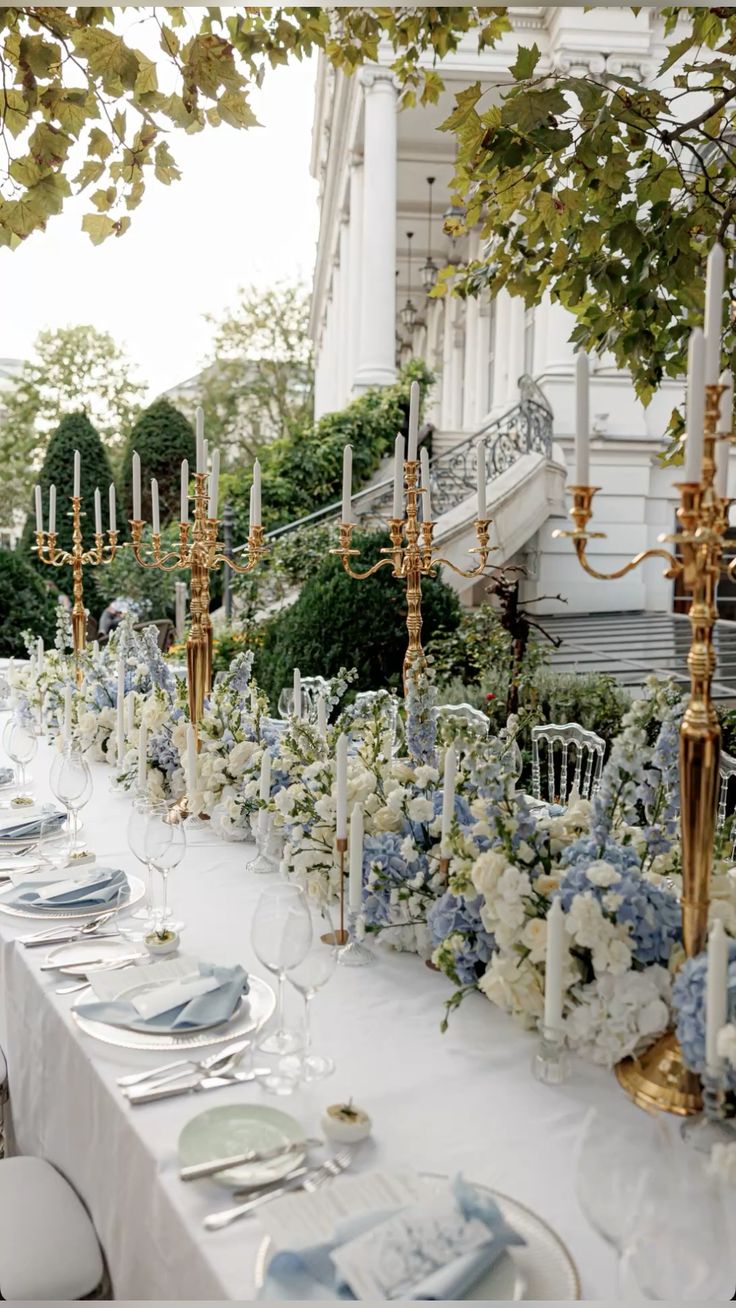
5. Your Ideal Season (And Flexibility Level)
Do you picture:
Spring florals?
Summer golden hour?
Fall foliage?
Winter elegance?
Also consider:
Are you flexible on the exact month?
Would you consider a weekday or Sunday?
Are you open to off-season dates?
Flexibility dramatically increases availability and can significantly reduce costs.
6. Your Level of Involvement
Be honest about your capacity.
Do you want full DIY control?
Will you hire a full-service planner?
A month-of coordinator?
Are family members helping?
This affects:
Your stress level
Your timeline
Your budget allocation
Your overall experience
There’s no right answer — just the one that fits your lifestyle.
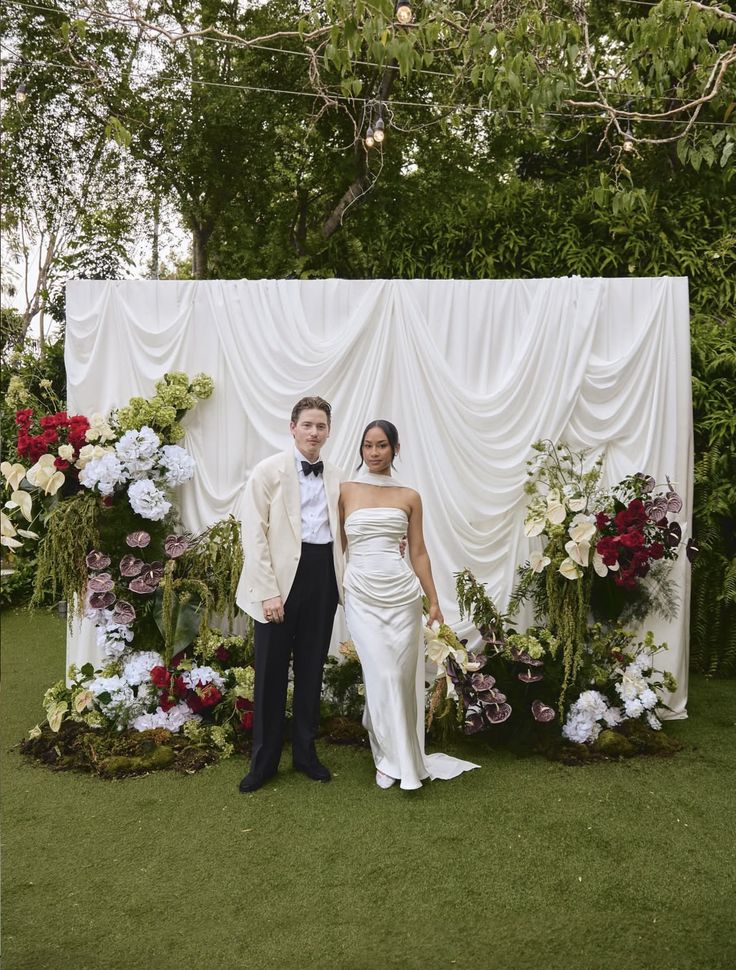
7. Your Non-Negotiables
Non-negotiables are different from preferences.
These are true “must-haves,” such as:
A specific city or venue
Cultural traditions
A religious ceremony
A particular photographer
A child-free event
Deciding these early prevents painful compromises later.
Why Deciding These First Changes Everything
When couples skip this clarity phase, they:
Tour venues that don’t fit their budget
Over-invite and panic about costs
Book vendors without direction
Feel decision fatigue early
When couples decide these first, planning becomes strategic instead of stressful.
You save time. You spend intentionally. You enjoy the process.
And that’s the goal.